Monthly Newsletter
A Strong Start to the Year
The start of 2026 has been a period of real momentum. We welcomed 16 new service users through strong referral pathways, growing the number of individuals receiving regular support.
Our dedicated team of carers delivered over 8,000 hours of care across the month — a testament to their commitment and consistency.
We also carried out service reviews, and the feedback was encouraging: an 85% satisfaction rate from the people we support.
Care Certificate: Setting the Standard
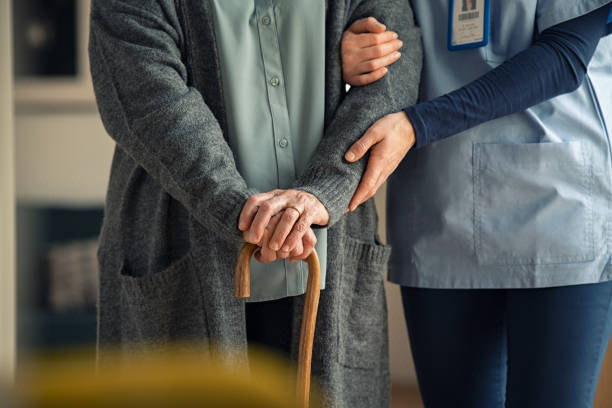
More than 93% of our carers have completed the Care Certificate — 19 essential modules linked to the Level 2 Health & Social Care Diploma.
On track to reach 100% — because every person in our care deserves a team that is trained, confident, and ready.
Compliments of the Month
Carers of the Month
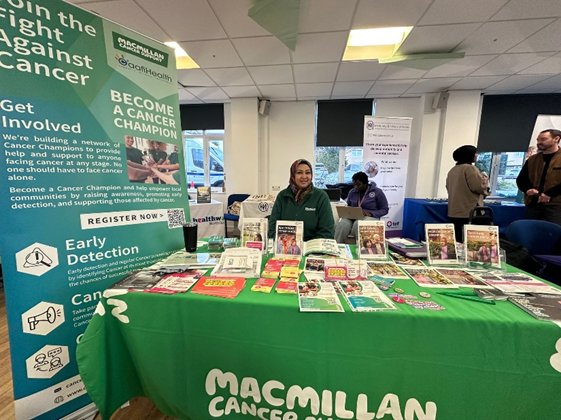
Culturally Sensitive Cancer Support
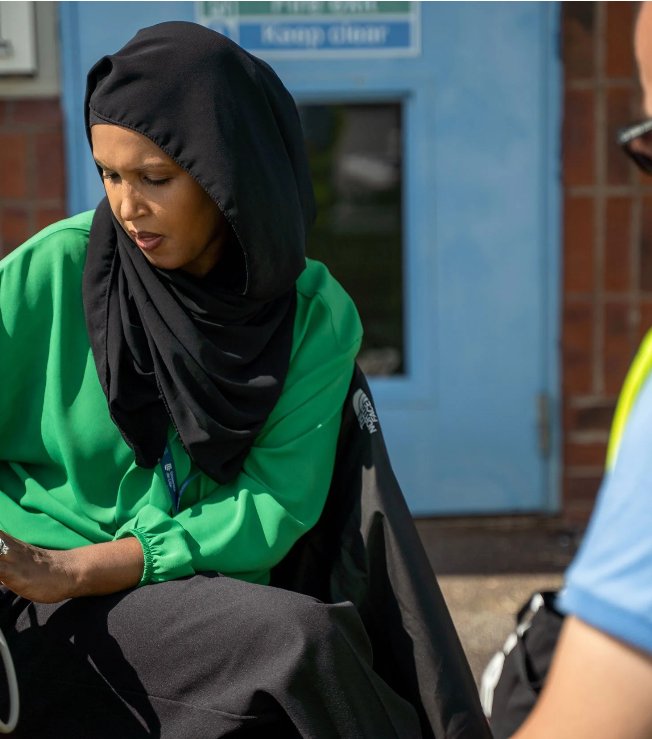
Our Caafi Health–Macmillan Cancer Champions provide practical, personalised guidance to help people understand their cancer risk and take proactive steps — from navigating health services to accessing screening with confidence.
Working closely with community leaders, faith groups, and local networks, the team builds trust and creates safe spaces for open conversations. By valuing lived experience, we are encouraging earlier diagnosis and ensuring cancer support is inclusive for everyone.
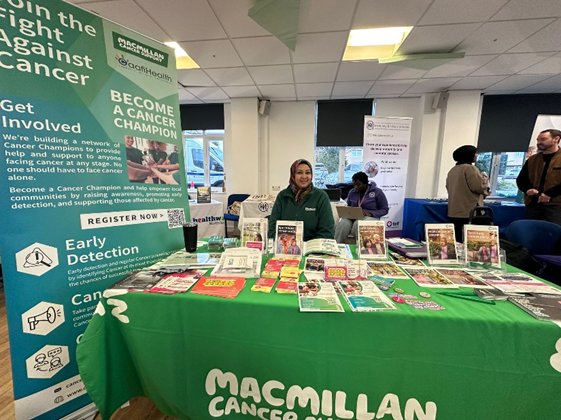
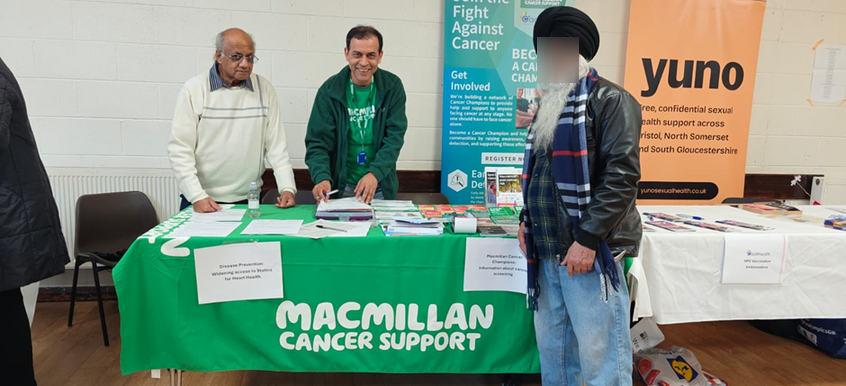
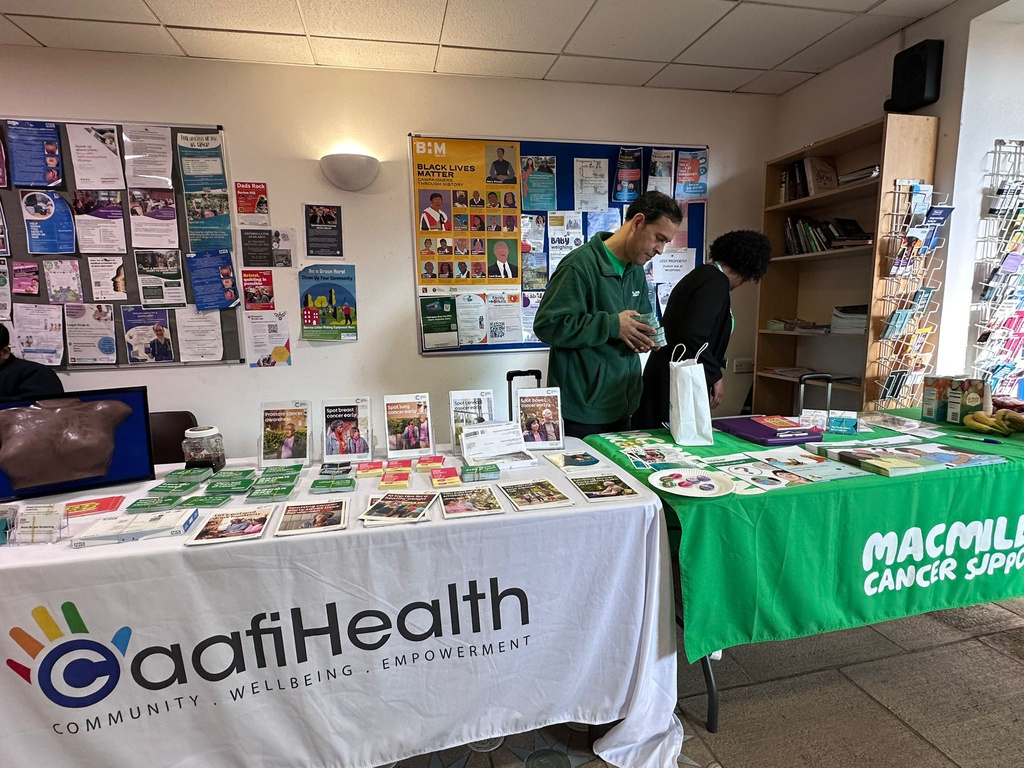
Cancer Awareness Events
We kicked off the year with a Cancer & Domestic Abuse awareness session for our Caafi Health–Macmillan Cancer Champions, led by Lucy Angell John, SWAG Cancer & Domestic Abuse Trainer.
Why This Work Matters
Across Bristol and the surrounding area, cancer detection, patient experience, and survival rates for Black and minoritised communities are among the worst. National evidence shows these communities experience poorer outcomes, are less likely to report positive care experiences, and face delays of up to seven months between noticing symptoms and receiving a diagnosis.
Locally, screening uptake is significantly lower among minoritised groups, with marked inequalities in bowel, breast, and cervical screening — factors highly concentrated in Bristol's Inner City and East communities.
Our Caafi Health–Macmillan Cancer Champions are directly addressing this by providing accessible information, advocacy, and support — ensuring underserved communities receive timely care, improving early detection, strengthening trust, and making the health system more responsive to those most affected by cancer inequality.
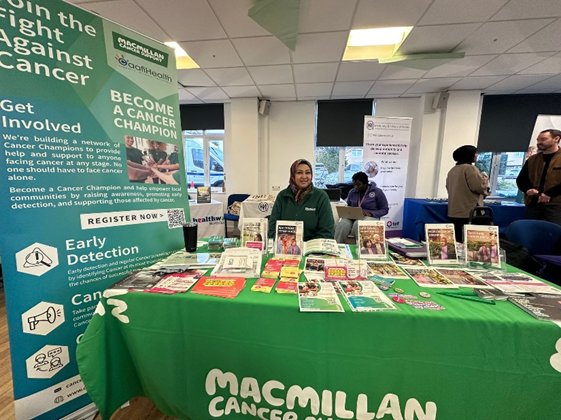
Vassal Centre — Health & Wellness Day
We took part in a Health & Wellness Day where we ran a community clinic alongside cancer awareness, with Caafi Health–Macmillan Cancer Champion Azza engaging attendees.
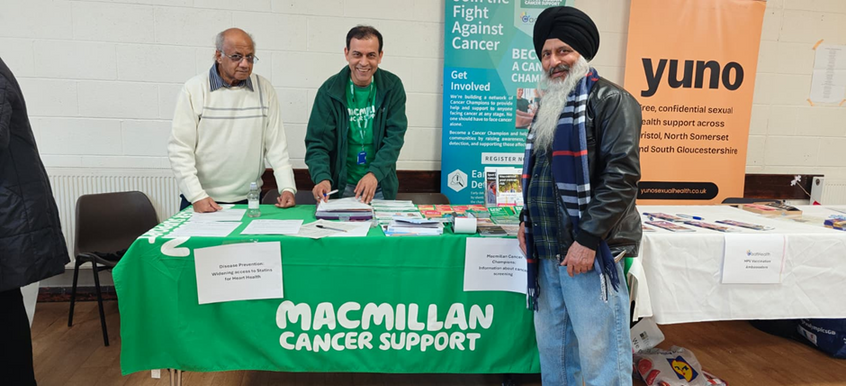
St George Community Centre
Community Conversation organised by our Health Ambassadors with Caafi Health–Macmillan Cancer Champion Puspa present.
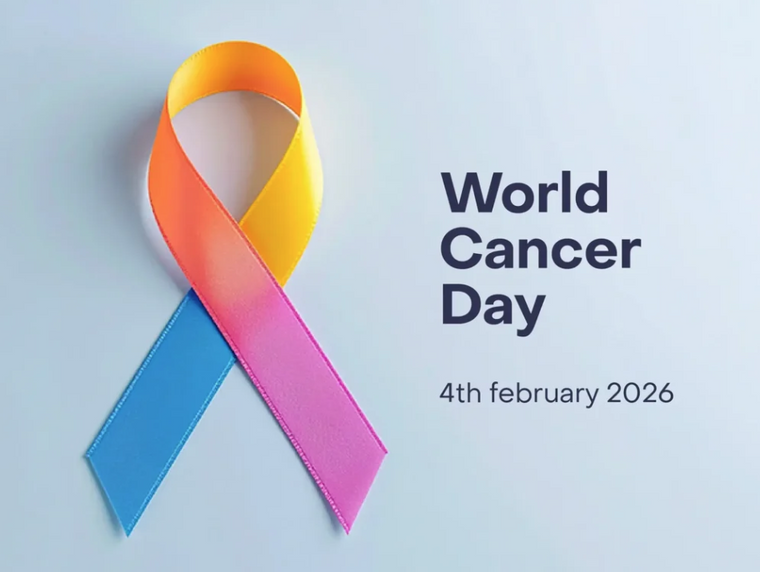
World Cancer Day — 4th February
We held a drop-in at Wellspring Surgery, Beam Street, BS5 9QY
On BBC Radio Bristol: Reducing Cancer Inequalities for Black Women
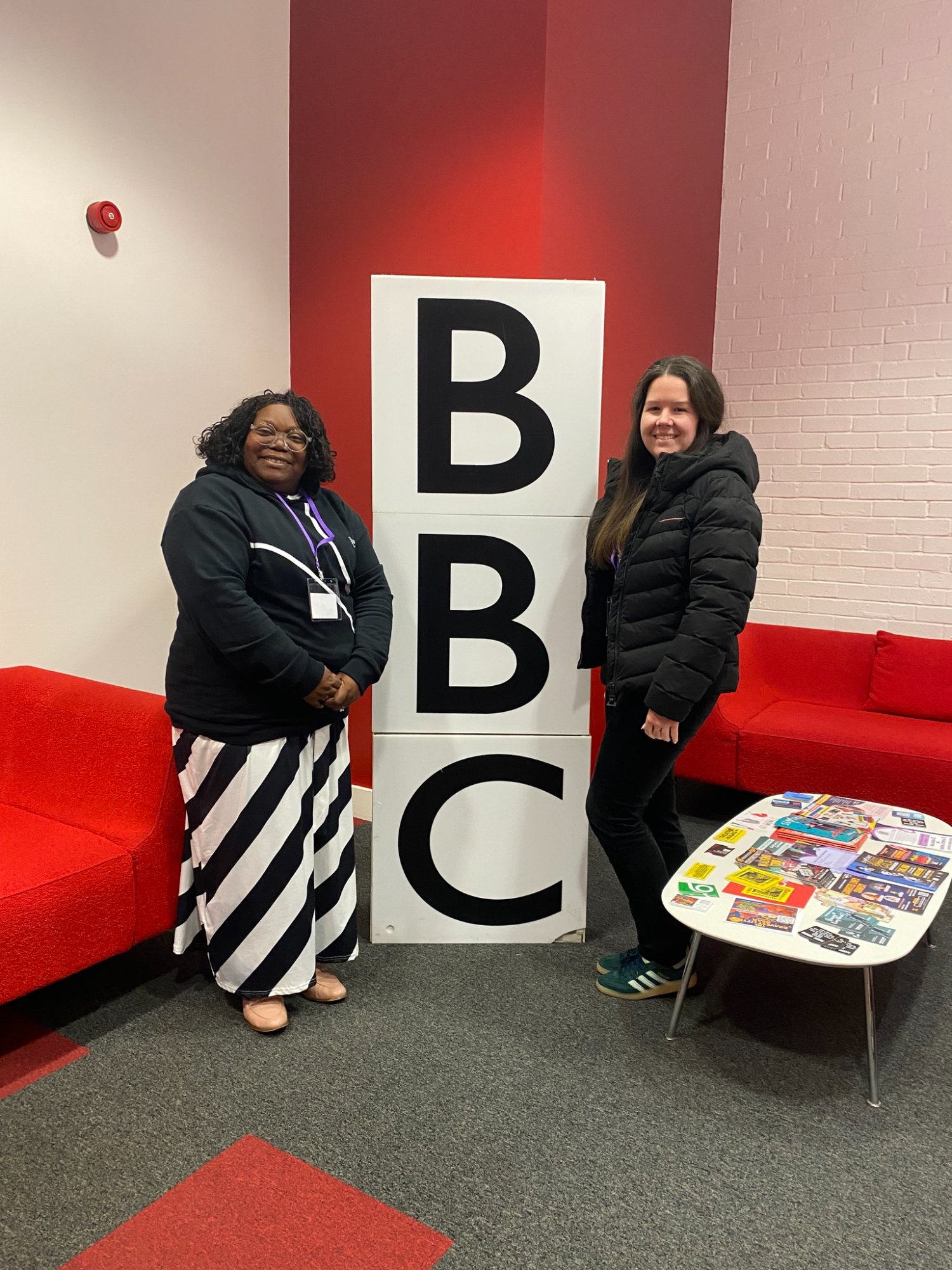
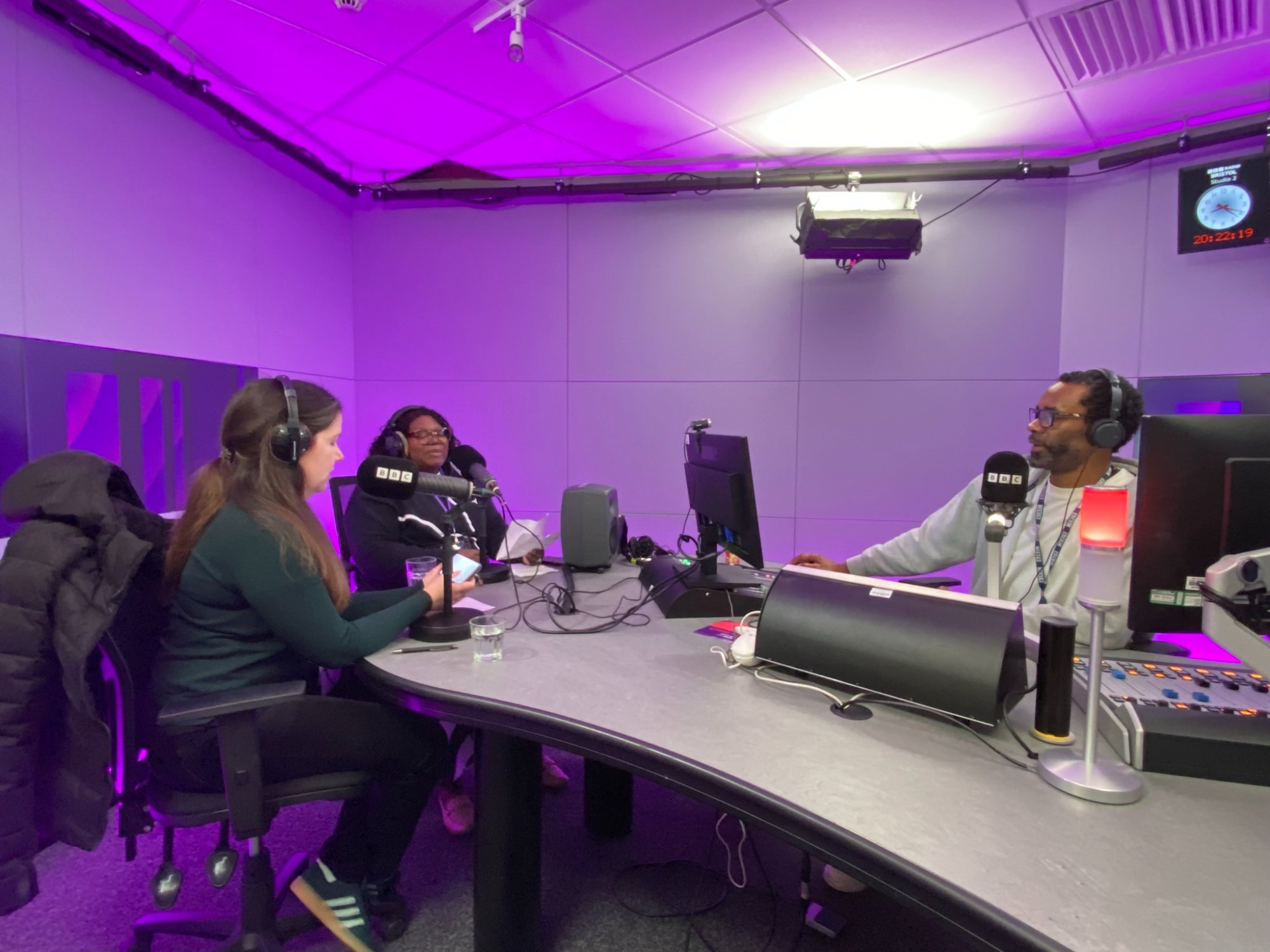
Caafi Health–Macmillan Cancer Champion Sandra and Patient Access and Inclusion Lead Ann appeared on BBC Radio Bristol, speaking with DJ Style about the Power In Our Voices initiative — a partnership between Bristol NHS Group, University Hospitals Bristol and Weston NHS Foundation Trust, SWAG Cancer Alliance, and Caafi Health.
The project seeks to reduce inequalities in cancer care and outcomes for Black women by creating a space for their voices and feedback to be heard, ensuring that services reflect their needs and what matters most to them.
The team also held a listening session on 10 February at Easton Community Centre, facilitated by a Black woman with lived experience and a member of staff. The session was open to all Black women who have received cancer treatment in Bristol or Weston in the last three years, with participants welcome to share as much or as little as they felt comfortable with.
Community Conversations & Health Ambassadors
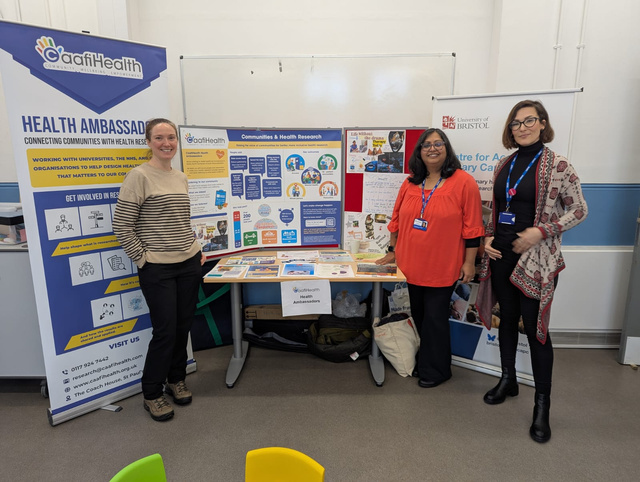
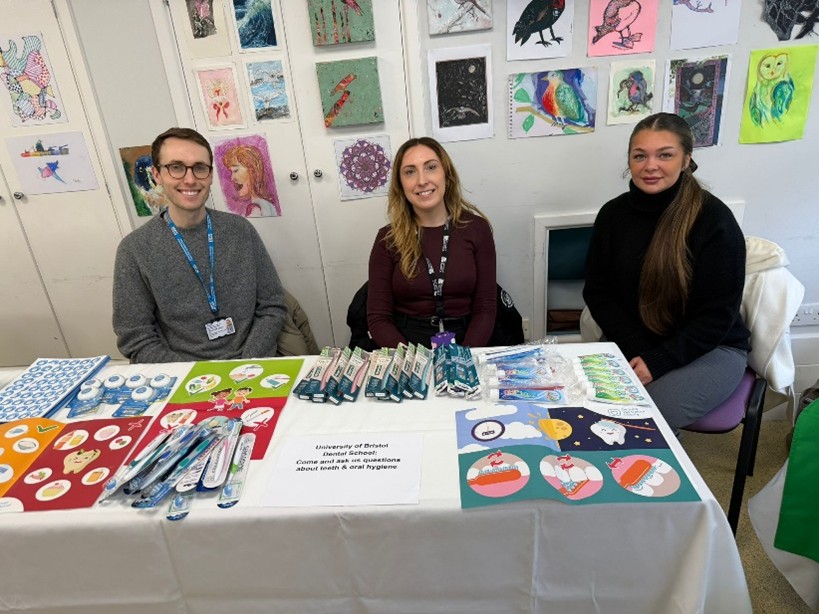
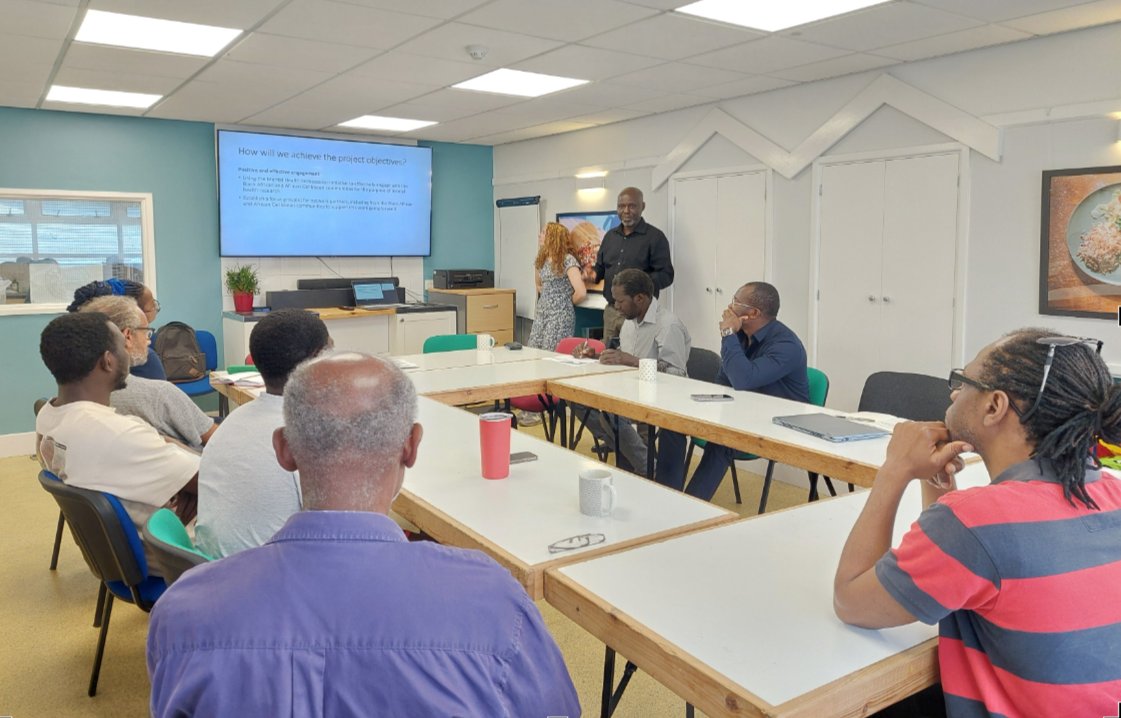
In collaboration with the Centre of Academic Primary Care at the University of Bristol, we continued organising community-led research events called Community Conversations.
We have held three events so far in 2026, bringing together our Health Ambassadors to inspire different communities to have their voices heard.
We work with three distinct Health Ambassador groups, each focused on a specific area of community health:
Our Health Ambassadors act as a vital bridge between communities and researchers, ensuring those historically underrepresented in research have a seat at the table.
Meet our Health Ambassadors →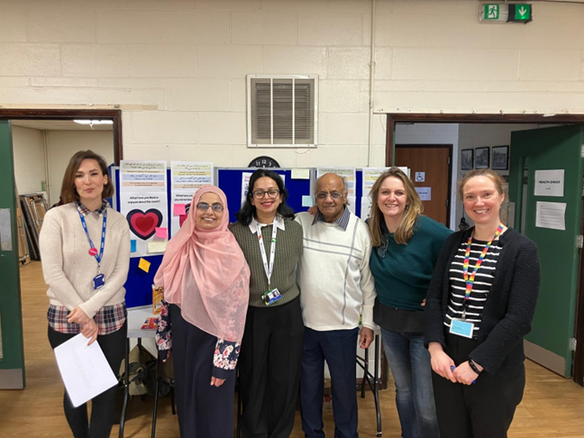
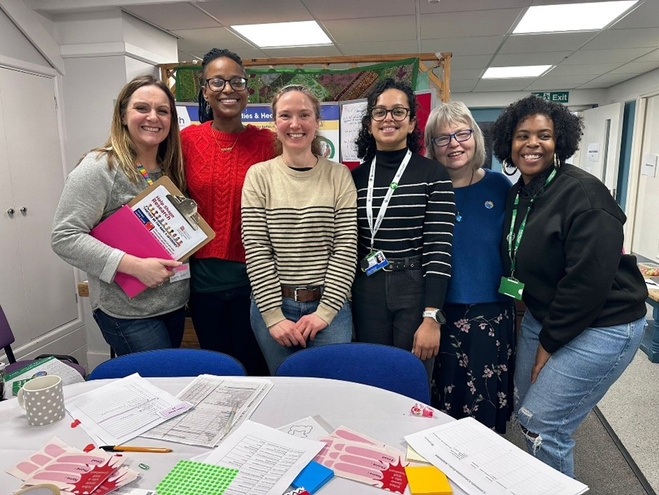
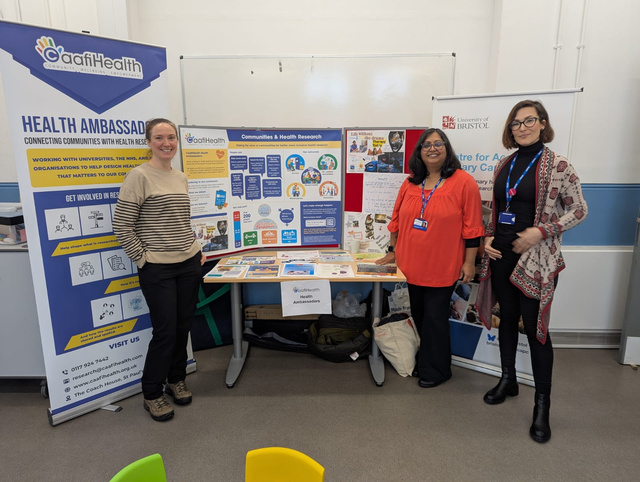
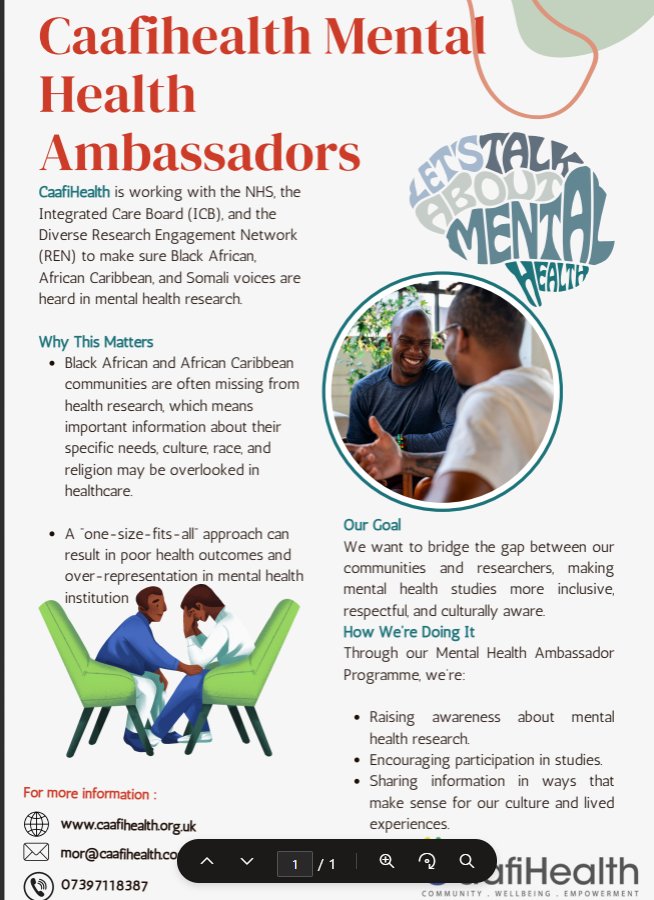
Bridging Communities and Mental Health Research
Our Mental Health Research Ambassador programme bridges Black African and Afro-Caribbean communities with researchers, ensuring mental health studies are inclusive, culturally sensitive, and reflective of lived experiences.
Working with the NHS, the Integrated Care Board, and the Diverse Research Engagement Network, we are raising awareness and encouraging participation in mental health research — using trusted community engagement models to reach those most affected.
Why This Matters
The NHS Race and Health Observatory found that some of the largest healthcare inequalities relate to mental health, particularly for Black communities. Locally, psychosis is in the top five most impactful conditions affecting young Black people in inner-city Bristol. Black African and Caribbean communities have repeatedly raised mental health as a priority requiring specific action — citing the trauma of racism, distrust of services, stigma, and a lack of culturally competent support.
This programme is essential for ensuring these communities are heard, included in research, and supported with services that reflect their needs.
Health in the Heart of the Community
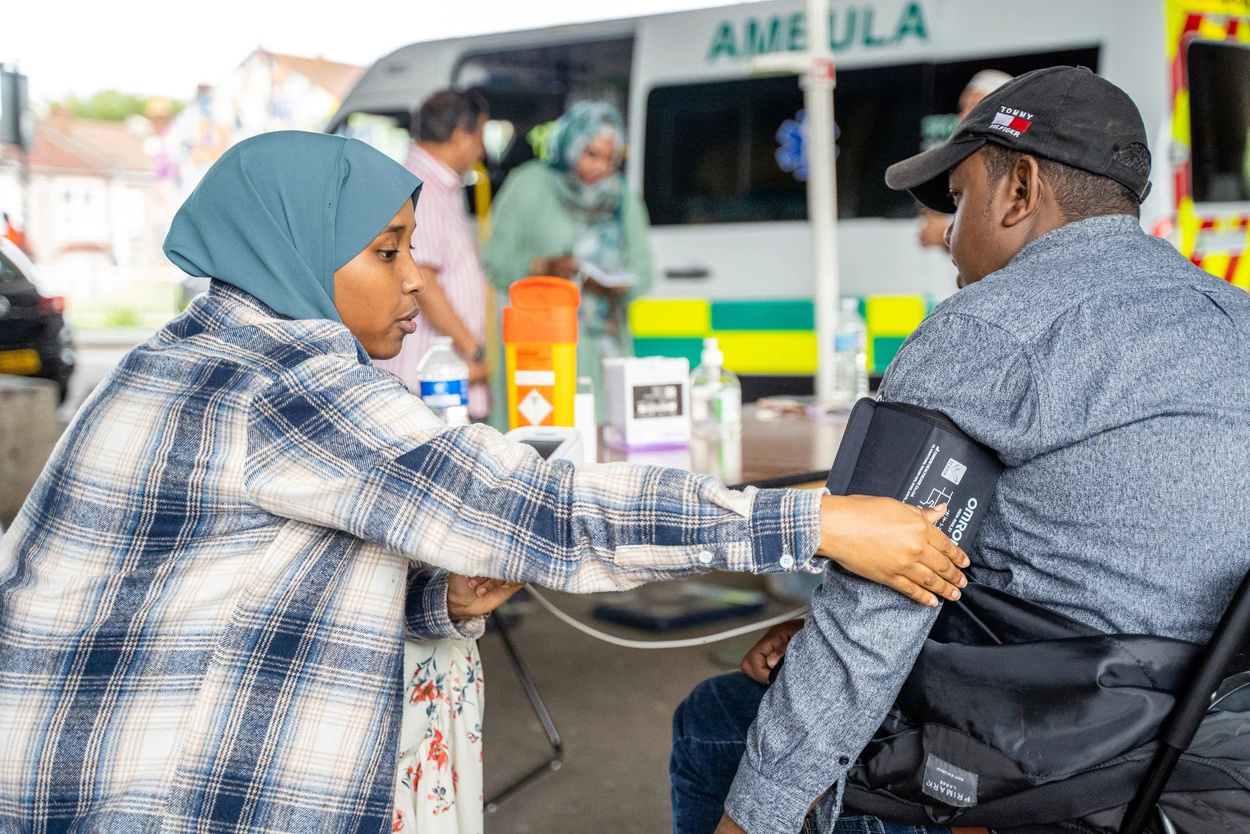
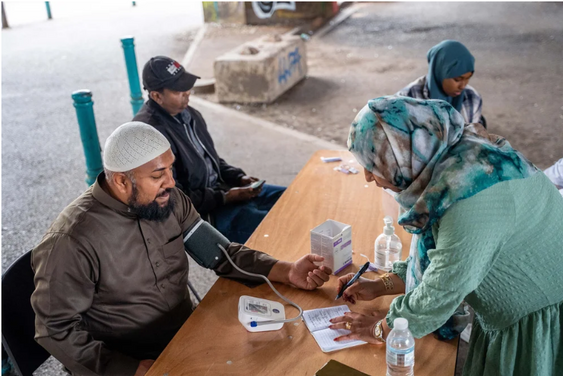
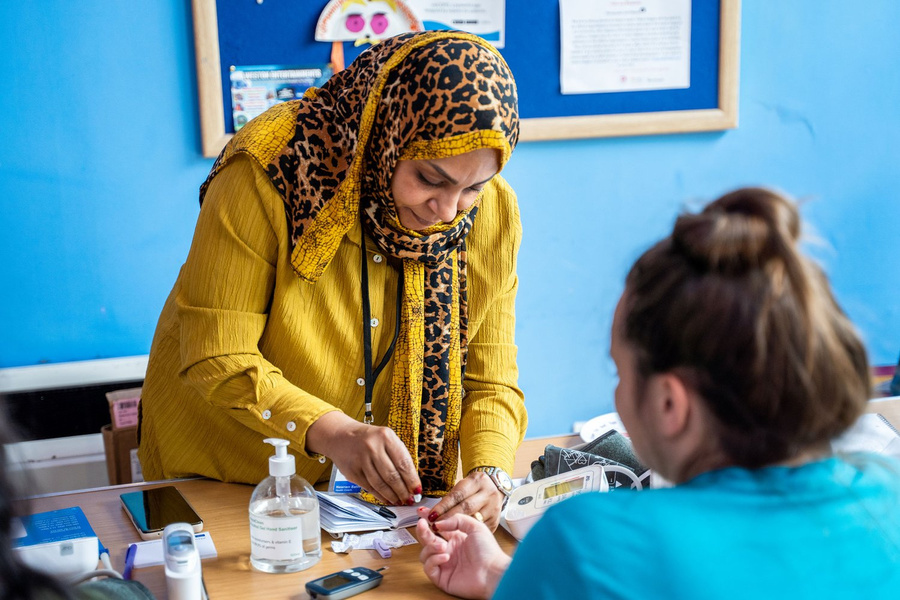
Across 8 clinics and events we saw 128 patients and identified multiple people who needed to be referred or screened by a GP/hospital due to having abnormal readings during their health check.
Tests We Perform at Our Clinics
We spoke to 56 people about quitting smoking and successfully enrolled 11 into the Swap to Stop scheme, providing them with vape kits to begin their journey away from cigarettes.
Referrals from Abnormal Readings
Patients identified with abnormal results during their health checks were referred to a GP or hospital for further investigation and support.
Digital & Remote Support
We supported 5 people with e-consultations and helped 3 people access and navigate their NHS App.
Bristol NHS Group Visits Our Community Clinic
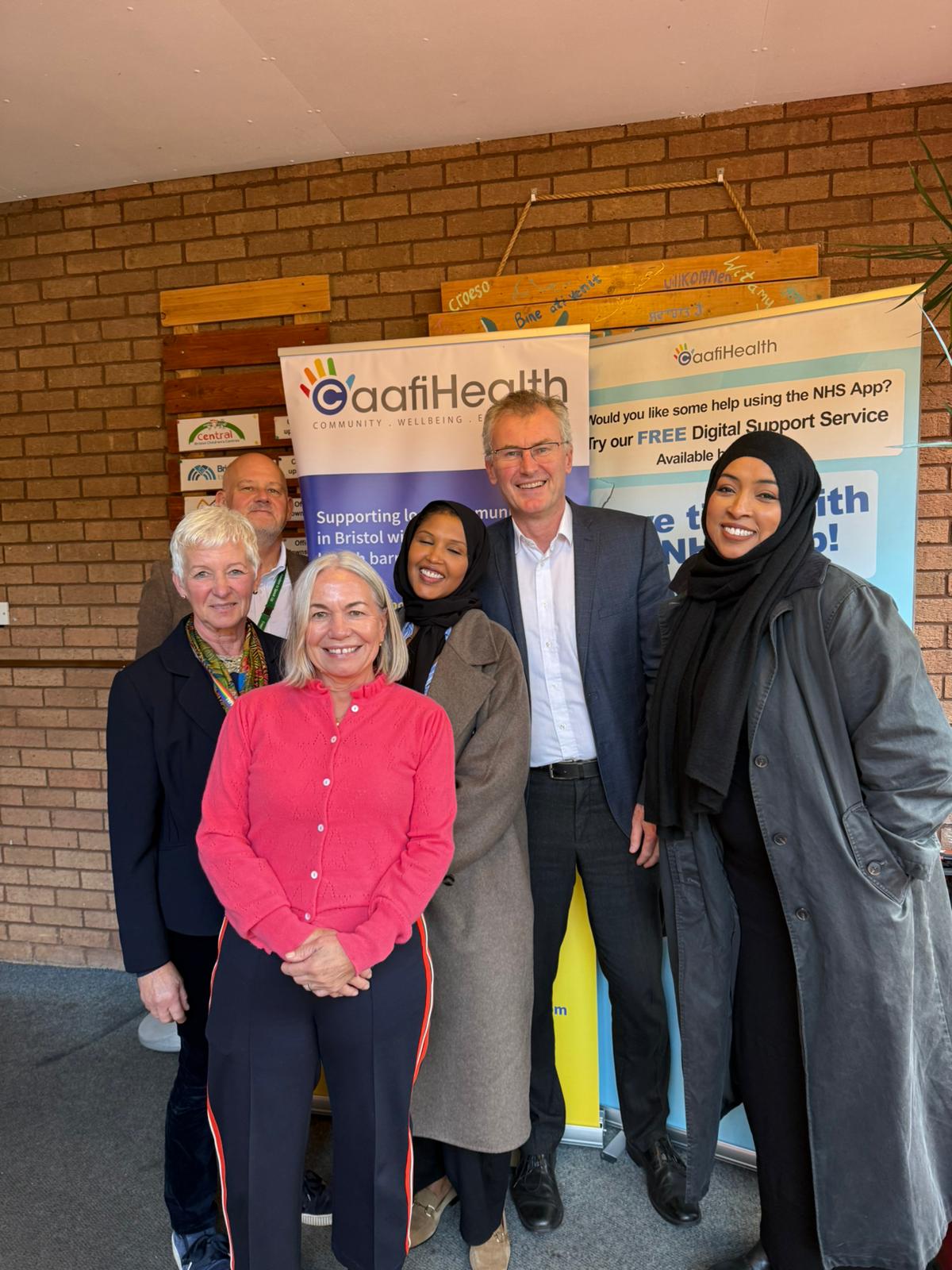
Ingrid Barker, Chair of Bristol NHS Group, and Glyn Howells, Hospital Managing Director for North Bristol NHS Trust, visited our community clinic on Stapleton Road, meeting with members of the Caafi Health team and members of the public to hear first-hand about their experiences of accessing health services.
The visit provided a valuable opportunity to discuss the shared challenges communities face when navigating the wider health system, and to explore how collaborative, community-based support can help people manage their health before reaching hospital.
As a result, five proposed pilot programmes have been identified where Caafi Health and NHS Bristol Group can work together to support the community.
"We had a really positive discussion about potential partnerships around the vaccination programme, smoking cessation work and Making Every Contact Count."
Glyn Howells, Hospital Managing Director, North Bristol NHS Trust
When Community Care Makes a Difference
During one of our community clinic health checks, a woman who had recently arrived in the UK from Ukraine presented with dangerously high blood pressure. Having been displaced from her home country, she had found it difficult to navigate the UK healthcare system and had stopped taking her hypertension medication several months earlier.
Our team acted quickly, liaising with her pharmacist to secure her medication that same day and referring her to A&E for urgent follow-up care.
This encounter is a powerful reminder of the vital role our community clinics play in reaching people who may face language barriers, unfamiliarity with local services, or the upheaval of resettlement — and ensuring they receive the healthcare they need. We are now strengthening our focus on supporting newly arrived communities with medication adherence and health system navigation.
Healthier Choices, Healthier Families
In partnership with local community organisations, we are supporting families from low-income backgrounds with weekly boxes of culturally appropriate fruit and vegetables — alongside health checks, nutritional advice, and financial guidance.
The first cohort has now completed their 12 weeks, and we are already seeing the impact — from improved eating habits to families sharing tips and recipes with neighbours. The second cohort is currently on week 10 and progressing well.
Each family receives a £20 culturally appropriate fruit and vegetable box weekly for 12 weeks. Crucially, health checks — including HbA1c testing — are carried out at the start and end of the programme, so families can see the positive impact of healthier eating reflected in their own results.
Beyond the boxes, participants receive 1:1 nutritional advice, cooking guidance, and education on making good food choices — reinforced by the evidence of their own improved health outcomes. An advisory group drawn from the community helps shape every aspect of the programme.
We are measuring impact through health checks at the start and end of each cohort, weekly feedback, structured interviews, and case studies — with the goal of demonstrating that education and access to healthier food leads to real, measurable improvements in health.
Collaboration with NextGen Circle CIC
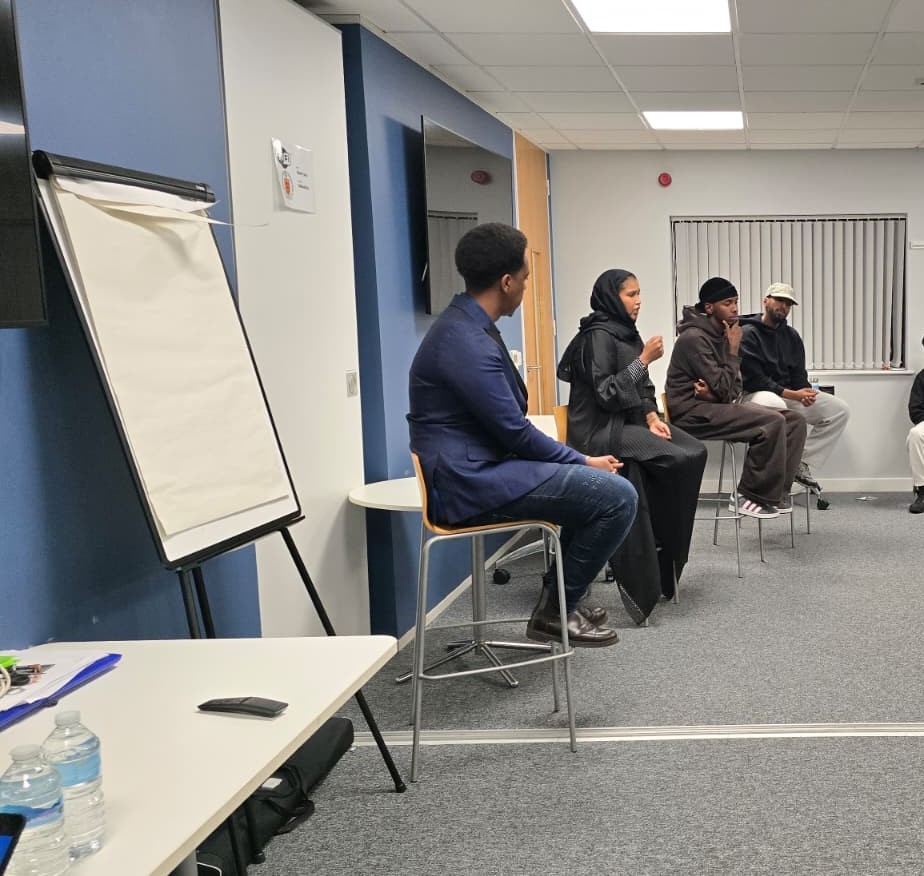
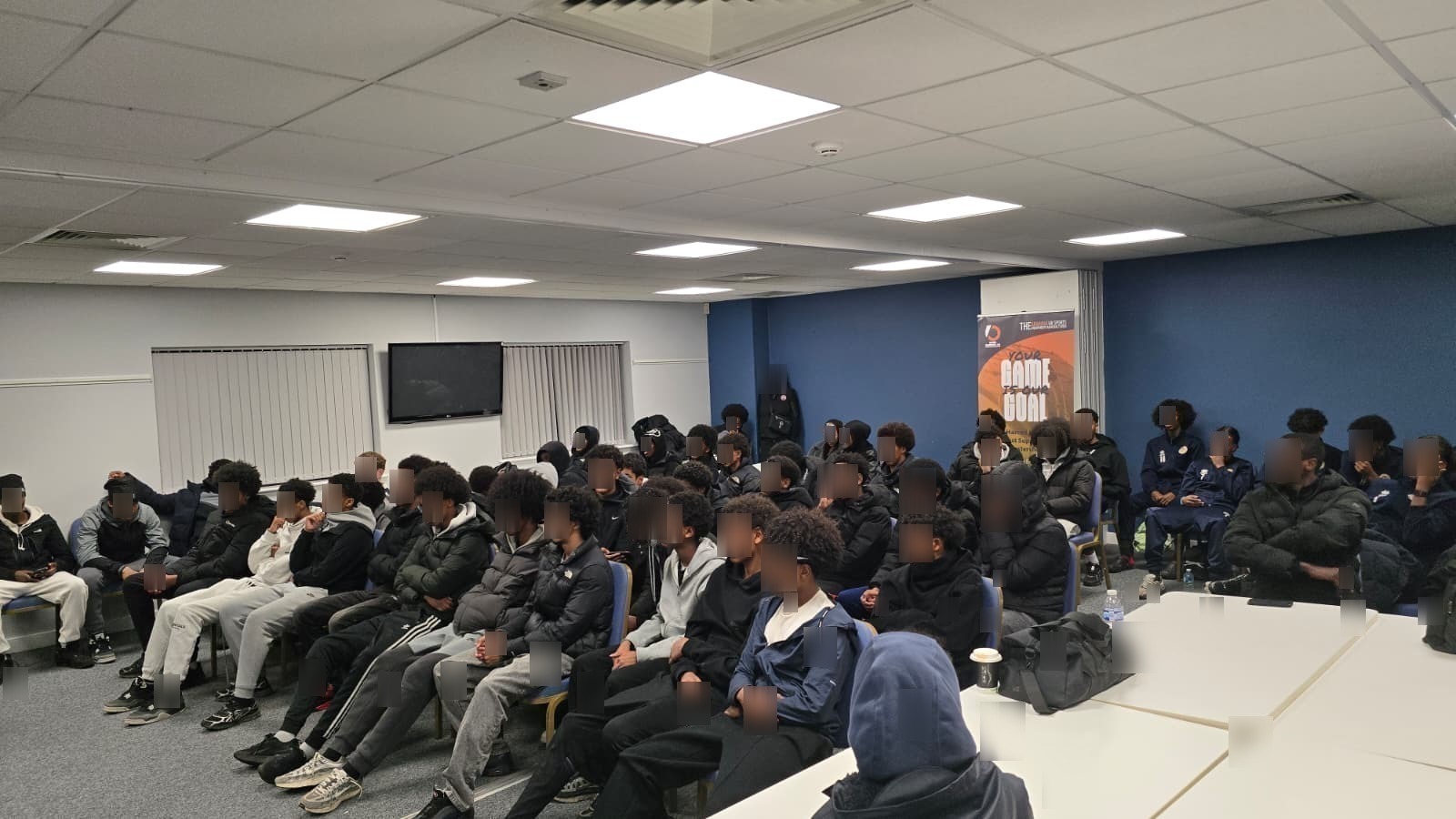
We are collaborating with NextGen Circle CIC, a Bristol-based organisation that empowers young people from minoritised and deprived backgrounds through sports, mentorship, and personal development — supporting over 200 young people through free weekly programmes.
Together, Caafi Health and NextGen Circle are bringing free health checks directly to young people in community sports settings, connecting them with health education and wellbeing support they might not otherwise access. Our partnership featured on BBC News.
Supporting Mothers Through Movement
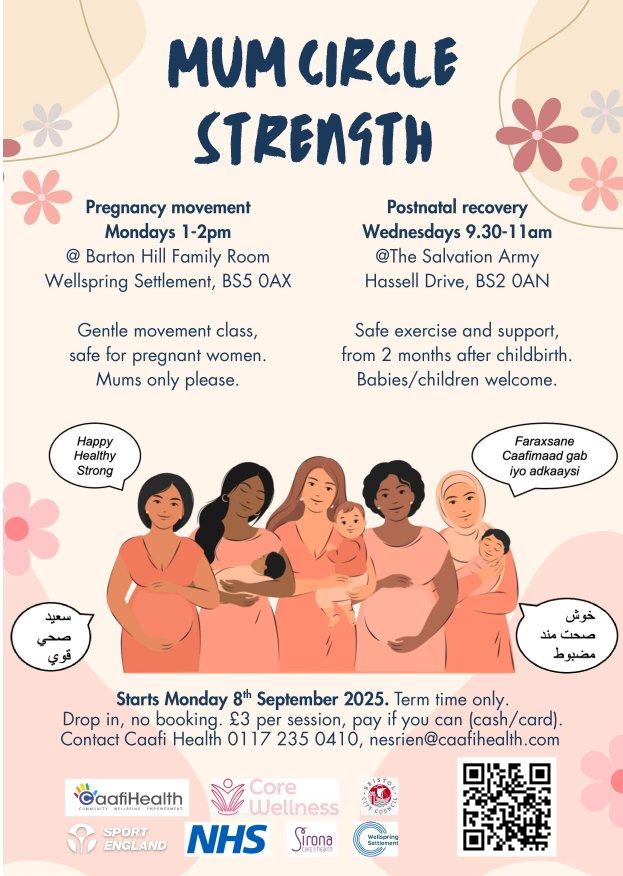
Our Mum Circle Strength sessions offer safe, supportive exercise classes for pregnant and postnatal women — led by professional instructors and designed to help mothers build strength, recover from childbirth, and connect with other mums in a welcoming environment.
So far, 21 participants have taken part, and the feedback has been overwhelmingly positive. Mothers tell us the sessions have helped them feel stronger, more confident, and less isolated — with babies and children welcome alongside them.
The programme runs across two weekly sessions:
Barton Hill Family Room, Wellspring Settlement, BS5 0AX
The Salvation Army, Hassell Drive, BS2 0AN
By bringing in qualified instructors and creating culturally appropriate spaces, we are ensuring that mothers from all backgrounds can access the physical and emotional support they need during and after pregnancy.
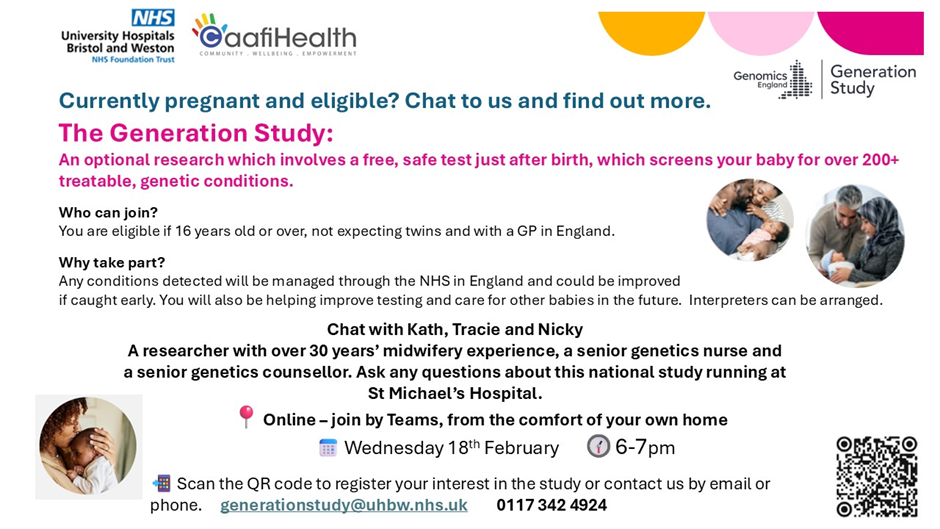
The Generation Study
Learn more about the Generation Study →
The Generation Study offers parents a free, safe genetic screening test for their baby shortly after birth, checking for over 200 treatable genetic conditions.
We hosted an online information session on 18th February where expectant parents could ask questions to an experienced research midwife and senior genetics professionals.